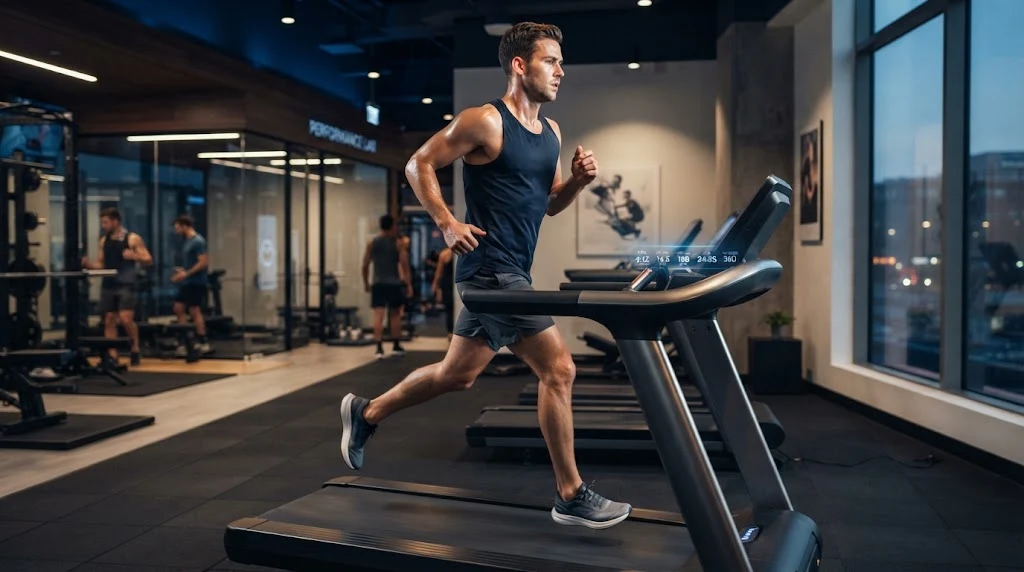
Whether you are building endurance, improving pace, preparing for an event, or simply trying to make indoor running more engaging, a structured approach can make each session more meaningful. Kinni is designed around running and workout planning, with support for compatible Bluetooth treadmills, foot pods, heart-rate monitors, structured workouts, and training data.
For readers interested in broader fitness and active-lifestyle topics, Lifted Lifestyle Gym offers another perspective on building a consistent fitness routine.
What Is Kinni?
Kinni is a running and workout application designed for indoor and outdoor training. Its current ecosystem includes workout creation, training plans, goals, session tracking, connected devices, and integrations that can help runners organize their training.
One of its notable features is the ability to work with compatible Bluetooth treadmills. Depending on the treadmill and its supported communication protocol, Kinni can receive information such as speed, incline, distance, elapsed time, and workout state. Some supported treadmills can also respond to speed or incline commands during workouts.
This creates an environment where a treadmill session can become more structured instead of simply running at one manually selected speed.
Why Structured Training Matters
A structured workout gives a training session a clear purpose. Instead of deciding what to do only after stepping onto a treadmill, runners can establish targets for speed, incline, duration, distance, or workout intensity before beginning.
Structured sessions can be useful for different objectives. A beginner may want a gradual introduction to running, while an experienced athlete may want interval sessions, tempo work, hill simulations, or race-specific preparation.
Kinni’s workout tools are designed to support this kind of planning, allowing runners to create workouts around specific targets and training requirements.
Building Better Running Performance
Running performance involves several interconnected elements. Pace, endurance, cadence, training consistency, recovery, and workout intensity can all influence progress.
A useful training system should therefore make it easier to repeat appropriate workouts and compare completed sessions. Instead of relying entirely on memory, runners can use recorded session information to understand how individual workouts developed.
This performance-oriented mindset can also complement activities discussed in martial arts and fitness training, where consistency and controlled progression are equally important.
Kinni and Treadmill Training
Indoor running becomes considerably more flexible when a compatible treadmill can communicate with a training application. Kinni supports treadmill connections through supported Bluetooth services, including FTMS and certain FitShow-style treadmill services.
Depending on the treadmill, the application may receive speed, incline, distance, time, workout status, cadence, or heart-rate information. Supported treadmills may also accept certain control commands.
However, compatibility can vary between treadmill models. A treadmill advertising Bluetooth does not automatically mean that every feature will work with Kinni. The specific Bluetooth service and capabilities exposed by the treadmill matter.
For runners considering connected equipment, understanding the difference between supported devices and generic Bluetooth accessories is an important part of building a reliable setup.
Using Foot Pods for More Running Data
Foot pods provide another way to capture running information. A compatible Bluetooth foot pod can provide data such as speed, cadence, stride length, and distance.
This can be particularly useful when treadmill data is unavailable or when a runner prefers shoe-based measurements. Kinni can use supported Bluetooth Running Speed and Cadence information from compatible foot pods.
Foot pods do not provide heart-rate information, so runners wanting live heart-rate data need a compatible heart-rate monitor or supported watch source as well.
Heart Rate and Training Awareness
Heart rate can provide another layer of information during training. Rather than looking only at pace, runners can consider how their cardiovascular response changes during different workout types.
Kinni can work with compatible Bluetooth heart-rate monitors and supported watch pathways. The exact data available depends on the connected equipment and the information that device provides.
Combining pace, cadence, distance, and heart-rate information can give runners a more detailed view of individual training sessions.
Setting Goals With Kinni
Training becomes easier to organize when goals are clearly defined. A goal might involve completing a particular distance, improving a target time, developing endurance, or establishing a consistent weekly routine.
Kinni includes goal-related features designed to connect training with specific objectives. A goal-focused approach can help turn individual workouts into part of a larger progression.
Rather than judging every session independently, runners can consider whether their workouts are contributing toward a longer-term objective.
Creating Your Own Workouts
One of the advantages of a structured workout builder is flexibility. Different runners require different training sessions, and a single routine may not suit everyone.
A custom workout can include blocks, splits, repetitions, targets, and voice prompts. This allows a runner to create sessions that match their preferred training method.
For example, an interval workout can alternate between faster and easier running periods. A hill-focused session can introduce incline changes. A progressive workout can gradually increase the target speed as the session develops.
Voice Guidance Can Keep Training Focused
During a workout, constantly looking at a phone or treadmill screen can interrupt concentration. Guided voice prompts can provide information and cues while the runner remains focused on movement.
Kinni supports guided workouts with customizable voice prompts. This can make structured sessions easier to follow, particularly when a workout contains multiple splits or changing targets.
The result is a training experience that can feel more like a guided coaching session than a basic timer.
Using Data to Understand Progress
Performance data becomes valuable when it is used consistently. A single workout can provide useful information, but a series of recorded sessions can reveal broader patterns.
Runners can review completed sessions, splits, charts, totals, and other available measurements. This can help identify whether certain workouts are becoming easier, whether pace is improving, or whether training volume is changing over time.
Data should be treated as a tool for understanding training rather than as a reason to chase maximum effort in every session.
Indoor Running Does Not Have to Feel Repetitive
One challenge with treadmill running is repetition. Running indoors on the same equipment can feel monotonous when every workout follows the same pattern.
Structured workouts can introduce variety through changes in speed, incline, duration, and workout design. Virtual integrations can also provide additional training environments for runners who prefer interactive experiences.
Kinni’s ecosystem includes compatibility with virtual running applications and tools that can broadcast supported running data to other platforms.
Connecting Training With an Active Lifestyle
Performance is not limited to one workout. A sustainable fitness lifestyle combines movement, consistency, recovery, nutrition, and realistic goal setting.
Sports environments can provide additional motivation by creating opportunities for people to train, compete, socialize, and remain active. Resources such as the Anthis-Brennan Sports Complex illustrate the wider role sports facilities can play in active living.
Similarly, different approaches to physical activity can be explored through topics such as competitive sports and gaming.
Choosing the Right Training Equipment
The right equipment depends on the runner’s training environment and goals. Someone focused primarily on indoor running may prioritize treadmill compatibility, while another runner may prefer a foot pod or heart-rate monitor.
Before connecting equipment to Kinni, it is important to check whether the device uses the required Bluetooth service. Kinni’s current connection system is Bluetooth-based, while ANT+ alone should not be expected to appear as a supported connection path.
Dual Bluetooth and ANT+ devices may work when their Bluetooth functionality is enabled and available to Kinni.
Training Consistency Matters More Than Occasional Intensity
Improvement generally requires consistency. An extremely difficult workout followed by a long period without training is unlikely to provide the same practical benefit as a manageable routine that can be repeated over time.
Structured applications can make consistency easier by giving runners organized workouts and clear targets. Training plans can also help establish a sequence of sessions instead of leaving every workout decision to the last minute.
The goal should be to create a routine that fits the runner’s current ability and can be adjusted as fitness develops.
How Kinni Fits Into Modern Running
Modern running technology is increasingly focused on connecting equipment, workouts, data, and goals. Kinni represents this approach by bringing multiple elements of running training into one ecosystem.
Its functionality can range from basic workout creation to connected treadmill control and session analysis. Runners can choose the features that are relevant to their own training rather than needing to use every available capability.
This flexibility makes connected training particularly useful for athletes who want greater control over how their indoor sessions are structured.
Tips for Getting More From Your Training
- Set a clear objective before beginning each workout.
- Choose training targets that match your current ability.
- Use compatible sensors when additional performance data is useful.
- Review completed sessions instead of judging progress from one workout.
- Introduce different workout structures to avoid unnecessary repetition.
- Allow adequate recovery between demanding sessions.
- Increase training demands gradually rather than making sudden changes.
- Use technology to support training decisions rather than replacing good judgment.
The Future of Connected Sport and Fitness
Connected fitness continues to bring together hardware, software, performance data, and personalized workouts. For runners, this can mean more detailed feedback and greater control over training sessions.
As connected treadmills, sensors, watches, and fitness applications continue to develop, athletes have more opportunities to create training environments that match their individual goals.
The most useful technology, however, is technology that makes consistent training easier. Whether the objective is improved endurance, better pacing, race preparation, or simply staying active, the value comes from how effectively the tools support a sustainable routine.
Final Thoughts
Kinni Power and Sport represents a modern approach to running and performance training built around structured workouts, connected equipment, measurable goals, and useful training data. Its support for compatible treadmills, foot pods, heart-rate monitors, workout planning, and session tracking gives runners multiple ways to organize their training.
The key to better performance is not simply adding more technology or training at maximum intensity. It is creating a balanced system in which goals, workouts, measurement, consistency, and recovery work together.
For athletes and everyday runners looking to make their training more organized and purposeful, a connected approach can provide a useful foundation for continued development.