Sleep hygiene is the everyday habits and bedroom conditions that help you fall asleep more easily and stay asleep through the night. It is not a treatment and it is not a trick. It is the simple, repeatable routine that tells your body when it is time to sleep and when it is time to wake. If you lie awake for a long time, wake up several times a night, or feel groggy even after a full night in bed, your sleep hygiene is the first place to look. Small changes, kept up for a few weeks, often make a bigger difference than any single gadget or supplement. This guide covers the habits that matter most, in the order you can start using them tonight.
Keep a Consistent Sleep Schedule
The single most powerful sleep habit is a regular schedule. Going to bed and waking up at roughly the same time every day, including weekends, trains your body’s internal clock. When the timing is steady, you start feeling sleepy around the same hour each night and waking more naturally in the morning. A schedule that swings by two or three hours on weekends creates a weekly jet lag that leaves Monday feeling like a long-haul flight. If your current bedtime is far from where you want it, move it earlier or later by fifteen minutes every few days rather than forcing a sudden change.
Morning light is part of the same system. Getting daylight soon after waking, even through a window or on a short walk, helps anchor your clock for the night ahead. Your morning habits matter here too: a regular breakfast and a calm start to the day support steadier energy than rushing out the door on nothing. If you have ever wondered how skipping breakfast can affect your mood and mental health, the connection runs both ways, because poor sleep makes skipped meals more likely, and skipped meals make the next night’s sleep worse. A steady morning routine is sleep hygiene, even though it happens hours before bed.
Build a Wind-Down Routine
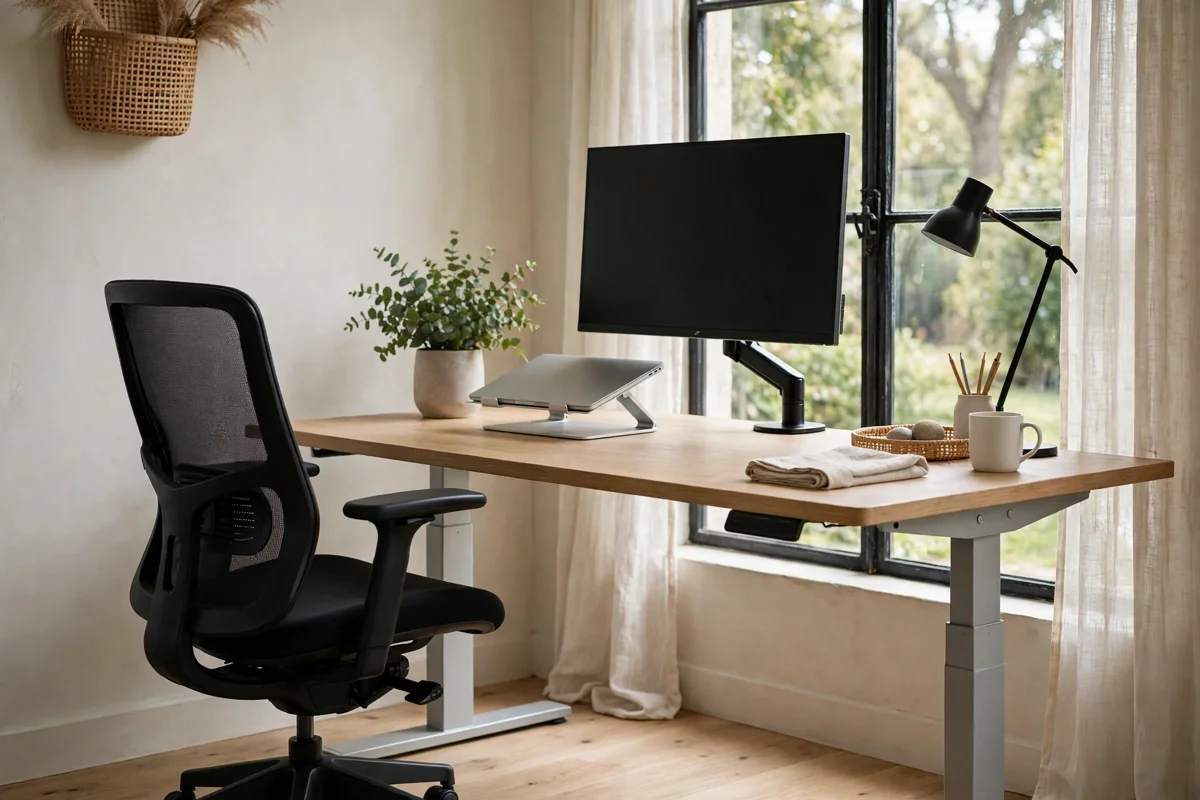
Your brain needs a clear signal that the day is ending. A wind-down routine is a short sequence you repeat every evening, starting thirty to sixty minutes before bed. It can be as simple as tidying your desk, changing into night clothes, washing your face, and reading a few pages of a book. The exact steps matter less than the repetition: after a week or two, the routine itself starts to make you drowsy. If you work from home, this boundary is even more important, because your office and your bedroom may be steps apart. Closing the laptop, leaving the desk, and changing out of work clothes tells your mind that work is finished. A well-planned ergonomic home office setup helps during the day, and a firm end to the workday helps at night.
Keep the last hour of the evening low-key. Heavy conversations, stressful news, and intense shows all raise alertness at exactly the wrong time. If your mind races when you lie down, keep a notepad by the bed and write tomorrow’s tasks down before you switch the light off. Getting worries out of your head and onto paper means you do not have to hold them all night, and most people find they fall asleep faster once the list is written.
Make Your Bedroom Sleep-Friendly
Your bedroom should feel like a place for sleep, not an extension of your living room. Three conditions matter most: cool, dark, and quiet. Most people sleep best in a slightly cool room with light bedding they can adjust. Darkness can be helped with curtains or a sleep mask, especially if street light comes through your window. For sound, some people need silence while others sleep better with steady background noise, such as a fan or gentle rain sounds. If household noise is the problem, noise-cancelling headphones are useful for winding down before bed, though most people will not want to wear them all night.
Keep the bed for sleep. Working, eating, and scrolling in bed trains your brain to associate the bed with wakefulness, which makes falling asleep harder. If you must use your bedroom as a workspace, keep work at a desk and out of the bed itself. Smart home touches like dimmable lights can help here, because lowering the lights in the evening mimics sunset and supports your body’s natural wind-down. A tidy room helps too: clutter is a small but real source of mental noise at the end of the day.
Light, Screens and Sound at Night
Bright light in the evening, especially from screens, pushes your internal clock later and makes sleepiness arrive late. The practical fix is to dim your home in the last hour before bed and keep screens out of the bedroom if you can. If you must use a phone or laptop late, turn the brightness down and use a warm night mode. Avoid falling asleep with the television on: even if you doze off, the changing light and sound break up your sleep through the night.
Sound deserves the same care. A television left on, a podcast playing all night, or notifications buzzing on the nightstand all fragment sleep, even when you do not fully wake. Put your phone on silent or outside the room, and let calls wait until morning. If you share your home with early risers or late workers, agree on quiet hours that protect everyone’s sleep. Good sleep hygiene is partly personal habit and partly household agreement.
Food, Drink and Evening Habits
What you eat and drink in the evening affects the night more than most people realise. A very heavy, spicy, or large meal close to bedtime can cause discomfort that keeps you awake, while going to bed hungry can wake you in the early hours. Aim for a lighter evening meal eaten a couple of hours before bed, and keep late snacks small and simple. Caffeine deserves special attention: it stays in your system for hours, so an afternoon coffee can still be active at midnight. If you struggle to fall asleep, try keeping caffeine to the morning only for two weeks and see whether your nights improve.
Alcohol is a common trap. A drink in the evening can make you feel drowsy, but it breaks up the deeper stages of sleep and often causes waking in the second half of the night. The result is a night that feels long but leaves you tired. Regular daytime exercise helps sleep, but very vigorous workouts late in the evening can leave you too alert to settle, so most people do better with morning or afternoon activity and gentle stretching in the evening. None of this requires perfection. One late coffee or one heavy meal will not ruin your sleep; it is the pattern across weeks that sets the quality of your nights.
When to Get More Help
Good sleep hygiene fixes many sleep problems, but not all of them. If you have kept a steady schedule, a calm wind-down, and a sleep-friendly bedroom for several weeks and still struggle to fall asleep, wake often, snore loudly, or feel exhausted during the day, it is worth talking to a doctor. Sleep apnoea, insomnia, and other sleep conditions are common and treatable, and they need proper assessment rather than another gadget. Keeping a short sleep diary for two weeks, noting bedtimes, wake times, and how you felt the next day, gives a doctor useful information and often reveals patterns you had not noticed yourself.
Final Thoughts
Sleep hygiene works because it is boring and repeatable. A steady schedule, a calm wind-down, a cool dark quiet room, dim evenings, and sensible food and drink in the hours before bed. Pick two or three changes from this guide, keep them up for a fortnight, and notice what improves. Better sleep pays back into everything else: clearer thinking, steadier mood, and more energy for the day ahead. Start tonight, with the smallest change you can keep, and let the habit build from there.