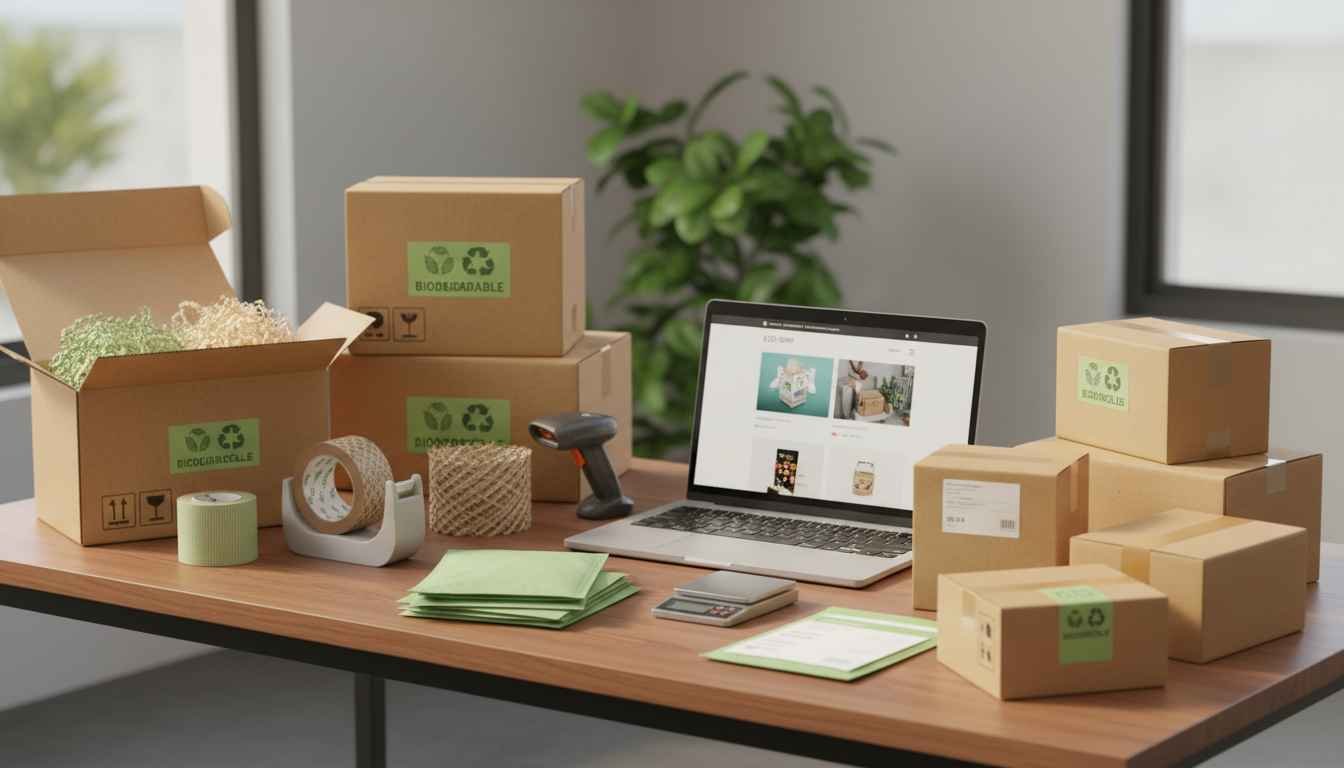
I was skeptical at first, but the more I explored the world of pack e-commerce, the more it became clear that we are standing on the brink of a massive shift in how products are sold and delivered. The complexities of commerce, logistics, and consumer expectations are evolving rapidly, and if you’re not paying attention, you might find yourself left behind. But what is pack e-commerce, and why should you care?
Pack e-commerce isn’t just another trend; it’s a reinvention of how products are packaged, shipped, and ultimately delivered to the consumer. With sustainability, speed, and customer engagement taking center stage, understanding the nuances of this transformation is key for brands hoping to stay ahead of the curve.
The Future of Commerce and Customer Engagement continues to explore these new frontiers, and what we’re seeing is just the beginning. From packaging innovations to logistical strategies and cutting-edge supply chain technologies, pack e-commerce is reshaping the entire landscape of online shopping.
What is Pack E-Commerce, Really?
At its core, pack e-commerce is the evolution of traditional e-commerce with a specific focus on packaging solutions that enhance the customer experience. The key component here is not just the product being shipped, but how it’s packaged and delivered. There are several layers to this, each impacting everything from consumer satisfaction to brand loyalty.
When you order a product online, you’re not just interested in the item itself. You want the unboxing experience to be engaging, environmentally friendly, and as seamless as possible. A poorly packaged product can detract from the entire online shopping experience, while innovative, thoughtful packaging can elevate a brand in the eyes of the consumer.
The Growing Importance of Sustainability
As sustainability becomes more than just a buzzword, companies are under pressure to innovate their packaging solutions. Eco-friendly materials, minimalist designs, and reduced packaging waste are all crucial elements of a pack e-commerce strategy. These efforts align with broader goals of reducing carbon footprints and contributing to a circular economy.
One of the most intriguing aspects of pack e-commerce is its ability to foster innovation in sustainable packaging. We are seeing brands experiment with new materials like biodegradable plastics, recycled fibers, and reusable containers. For example, a startup could integrate a zero-waste packaging model, where the customer can send back the packaging for reuse, reducing overall waste.
How Pack E-Commerce Affects Customer Engagement
Customer engagement has always been central to successful e-commerce strategies, but pack e-commerce takes it to the next level. Think of it like this: when a customer receives their package, they are not only receiving a product but an experience. The design, functionality, and messaging within that package can play a massive role in how that customer perceives the brand.
Consider personalized notes, thank-you messages, or even custom packaging that tells a brand story. This level of care is essential in creating a lasting impression and boosting customer loyalty. In the age of social media, many customers share their unboxing experiences online, giving brands an opportunity to create viral moments that resonate with a wider audience.
Ultimately, pack e-commerce is not just about the product anymore; it’s about creating an emotional connection with the consumer through every touchpoint, including the packaging. And when that experience is exceptional, it becomes something worth sharing, recommending, and coming back to.
The Role of Technology in Pack E-Commerce
In the digital era, technology plays an integral role in reshaping pack e-commerce. From artificial intelligence (AI) to blockchain, tech innovations are making it possible to streamline processes, reduce costs, and offer customers an even better experience. For example, AI-driven systems are helping companies better predict the packaging materials needed for each individual order, reducing waste and optimizing delivery times.
Blockchain technology, on the other hand, is enhancing supply chain transparency. Customers can track the entire journey of their package, from production to delivery, ensuring that everything is as promised. This level of visibility increases trust between the brand and the consumer, which is crucial in today’s competitive landscape.
Challenges in Pack E-Commerce
Despite the clear advantages, there are challenges that come with the rise of pack e-commerce. One of the main obstacles is cost. Innovative packaging solutions and faster delivery methods can significantly increase operational expenses. Companies need to find ways to balance these costs while still maintaining profitability. Additionally, the complexity of managing returns, exchanges, and customer complaints becomes exponentially higher when personalized packaging and delivery are involved.
Furthermore, scaling these solutions while maintaining quality and consistency can be tricky. A personalized unboxing experience that delights a customer on their first order might not have the same impact when scaled to millions of customers. Striking a balance between uniqueness and mass production is a delicate art that requires careful planning and execution.
Who Should Avoid This? Potential Drawbacks
Pack e-commerce may not be for every business. Smaller retailers with limited resources or those operating in highly competitive price-sensitive markets may find it difficult to justify the additional costs associated with high-quality, sustainable packaging. Similarly, companies with long and complex supply chains may struggle to implement these solutions without significant infrastructure changes.
Additionally, businesses that rely heavily on bulk or industrial products might not benefit from the same level of customization that pack e-commerce offers. For example, a B2B company shipping heavy machinery may not have the same emphasis on creative packaging as a DTC consumer brand does.
Conclusion
Pack e-commerce is more than just a trend; it’s the future of how we engage with products, brands, and each other in the digital world. As technology advances and consumer expectations evolve, businesses must adapt to remain relevant. The rise of sustainable packaging, customer-centric experiences, and innovative delivery systems promises a bright future for e-commerce, but it also comes with its share of challenges.
For companies that are ready to innovate, pack e-commerce offers a wealth of opportunities to redefine their brand’s connection with customers. But like all transformations, it requires a willingness to take risks, experiment, and learn from both successes and setbacks. The future of commerce is here, and it’s wrapped in a whole new package.