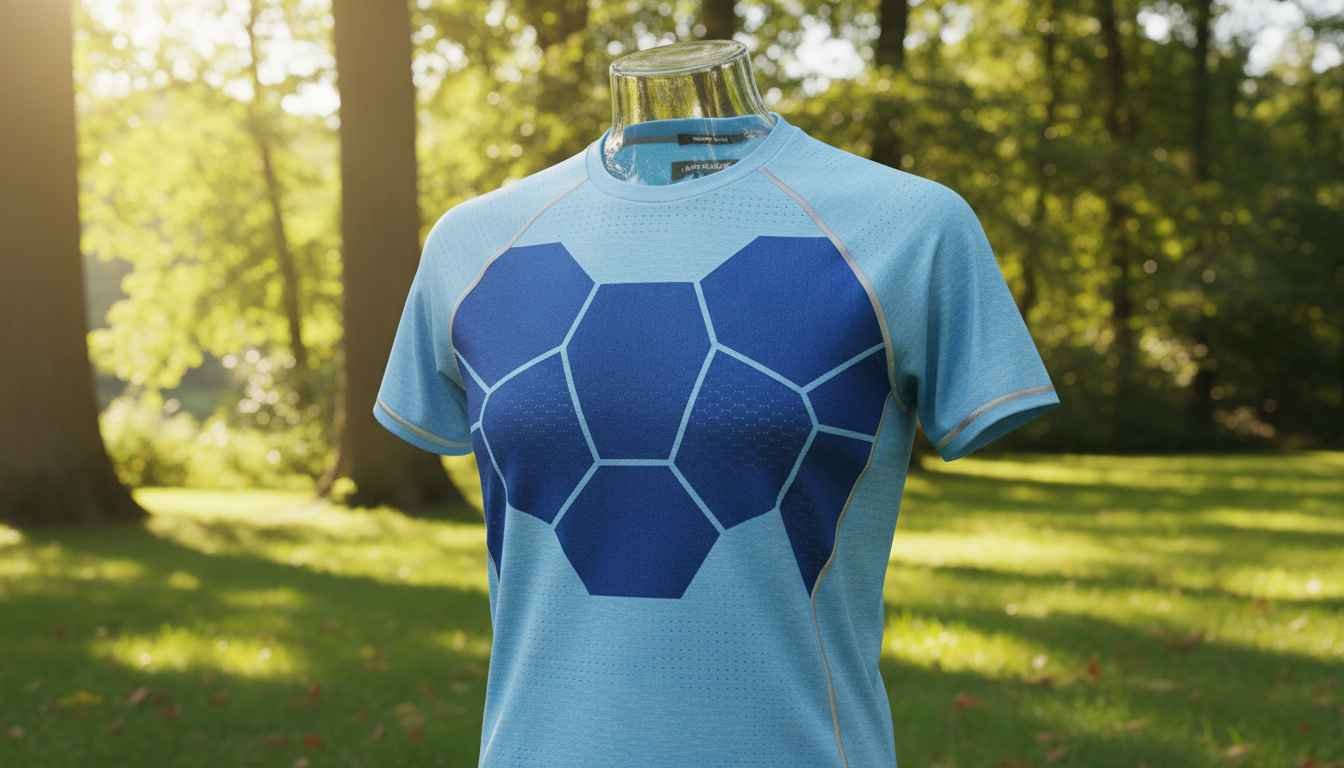
Knowledge is power. Whether you’re a tech enthusiast or just someone seeking comfort in the heat, shirts with cooling technology are revolutionizing the way we stay comfortable. With advancements in fabric and material science, these shirts offer a game-changing solution for combating heat, making them essential for anyone who wants to enjoy outdoor activities or work in warm environments without breaking a sweat.
If you’ve ever struggled with sweaty shirts during hot summer months or need to stay cool while tackling your daily tasks, these shirts are a must-have in your wardrobe. TechPP brings you the most in-depth, up-to-date information on the latest in cooling technology apparel. In this guide, we’ll explore everything you need to know about shirts with cooling technology – how they work, who should wear them, and our top recommendations to help you make an informed decision.
What Are Shirts with Cooling Technology?
Shirts with cooling technology are specifically designed to regulate body temperature by actively cooling the wearer’s skin. Unlike traditional fabrics that trap heat and moisture, these shirts are crafted from high-tech materials that draw heat away from the body, offering a cooling effect that can help you feel fresher for longer. Many use advanced fabric treatments or incorporate materials such as moisture-wicking fibers, phase change materials (PCMs), or even embedded cooling elements to achieve this effect.
Cooling shirts are ideal for those who work in hot environments, athletes, outdoor enthusiasts, or anyone who spends a lot of time under the sun. The technology embedded in these shirts helps you maintain a more comfortable body temperature without compromising on style or comfort.
How Do Cooling Shirts Work?
The magic behind cooling shirts lies in the materials and technologies used to construct them. Below are some of the key technologies used to create shirts that actively cool the body:
Moisture-Wicking Fabrics
Moisture-wicking fabrics are commonly used in cooling shirts. These fabrics are designed to draw sweat away from the skin and into the fabric, where it can evaporate more quickly. This process helps regulate body temperature by promoting airflow and preventing moisture from accumulating on your skin.
Phase Change Materials (PCMs)
Phase change materials are substances that absorb and release heat as they change from one state (solid or liquid) to another. In cooling shirts, PCMs are incorporated into the fabric to absorb excess heat from your body when it’s too warm and release it when temperatures drop. This ensures a stable body temperature regardless of the external environment.
Embedded Cooling Technology
Some shirts use embedded cooling technology that consists of small embedded units that actively circulate cool air. These devices are powered by batteries and provide a continuous cooling effect. While more advanced, this type of technology is typically reserved for high-end performance or smart shirts.
Benefits of Cooling Shirts
Cooling shirts offer several benefits, making them an excellent choice for those looking for comfort and performance. Here are some of the key advantages:
Enhanced Comfort
The primary benefit of cooling shirts is the comfort they provide. By regulating your body temperature, these shirts keep you cool, dry, and comfortable, whether you’re on a hike, working outside, or in a busy office.
Improved Performance
For athletes and outdoor enthusiasts, a cooling shirt can improve performance by preventing overheating. Many cooling shirts are designed with breathable and stretchable materials, allowing for greater flexibility and enhanced movement during physical activities.
Versatility
Cooling shirts come in various styles – from casual t-shirts to button-ups – making them suitable for all occasions. You can wear them during sports activities, casual outings, or even at work without sacrificing comfort or style.
Health Benefits
Cooling shirts can help reduce the risk of heat-related illnesses, especially during high-temperature conditions. The technology in these shirts helps prevent overheating, which is crucial for maintaining good health when exposed to extreme heat.
Who Should Wear Cooling Shirts?
Cooling shirts aren’t just for athletes or outdoor adventurers – they’re for anyone who wants to stay comfortable in hot conditions. Here are some examples of who should consider adding a cooling shirt to their wardrobe:
Outdoor Workers
People who work outside in hot climates, such as construction workers, landscapers, or delivery personnel, can benefit greatly from cooling shirts. These shirts help regulate body temperature and keep the wearer comfortable during long hours in the sun.
Athletes and Fitness Enthusiasts
Athletes, whether they’re training outdoors or in the gym, will find cooling shirts beneficial for performance and comfort. These shirts wick away sweat, provide cooling relief, and help prevent overheating during intense physical activities.
Commuters
If you live in a hot city or rely on public transportation, a cooling shirt can help you stay comfortable during your commute. These shirts are great for people who need to look presentable while avoiding excessive sweating or discomfort in warm conditions.
Travelers
For travelers heading to hot destinations, cooling shirts are a practical and comfortable option. They keep you cool and dry during sightseeing tours or long walks in warm climates.
Top Picks for Shirts with Cooling Technology
With so many options available, choosing the right cooling shirt can be tricky. We’ve curated a list of some of the best shirts on the market to help you make a more informed decision.
1. Columbia Freezer II Long Sleeve Shirt
Perfect for outdoor adventures, this long-sleeve shirt from Columbia uses their proprietary Omni-Freeze technology to cool the body when it heats up. The shirt is lightweight, quick-drying, and features UPF 50+ sun protection, making it a great choice for hiking, fishing, or any outdoor activity.
2. Under Armour Iso-Chill Polo
Under Armour’s Iso-Chill technology is designed to absorb and disperse body heat, keeping the wearer cool and comfortable. This polo is great for both sports and casual wear, offering a sleek design and moisture-wicking capabilities to prevent sweat buildup.
3. Uniqlo AIRism T-Shirt
Uniqlo’s AIRism line of t-shirts uses a blend of moisture-wicking and breathable fabrics to keep you cool throughout the day. These shirts are ultra-soft, lightweight, and come in a variety of colors, making them a stylish and practical choice for everyday wear.
4. L.L. Bean Men’s Cool-Core Shirt
This shirt uses L.L. Bean’s Cool-Core technology to wick away moisture and provide cooling relief. It’s designed for active individuals who need a shirt that can handle both sweat and heat while remaining comfortable throughout the day.
5. The North Face Liner Tech T-Shirt
For those who want an advanced cooling shirt, The North Face offers a high-performance option with their Liner Tech T-shirt. Made with recycled materials, this shirt features cooling fabrics designed for long-lasting comfort in hot conditions.
Who Should Avoid This? Potential Drawbacks
While shirts with cooling technology offer many benefits, they may not be suitable for everyone. Some potential drawbacks include:
- Cost: Cooling shirts, especially those with embedded technology or advanced fabrics, can be more expensive than standard t-shirts.
- Battery Life (for powered cooling shirts): Shirts with embedded cooling units may require regular recharging, which can be inconvenient for those who need consistent cooling.
- Comfort Preference: Some people may not enjoy the feel of synthetic fabrics, which are often used in cooling shirts.
Conclusion
Shirts with cooling technology are a valuable investment for anyone who experiences heat discomfort, whether you’re an outdoor enthusiast, athlete, or someone who simply wants to stay cool during hot weather. With the right shirt, you can enjoy your activities without being bogged down by heat. Make sure to choose a shirt that fits your specific needs and enjoy the refreshing comfort that comes with the latest advancements in fabric technology.