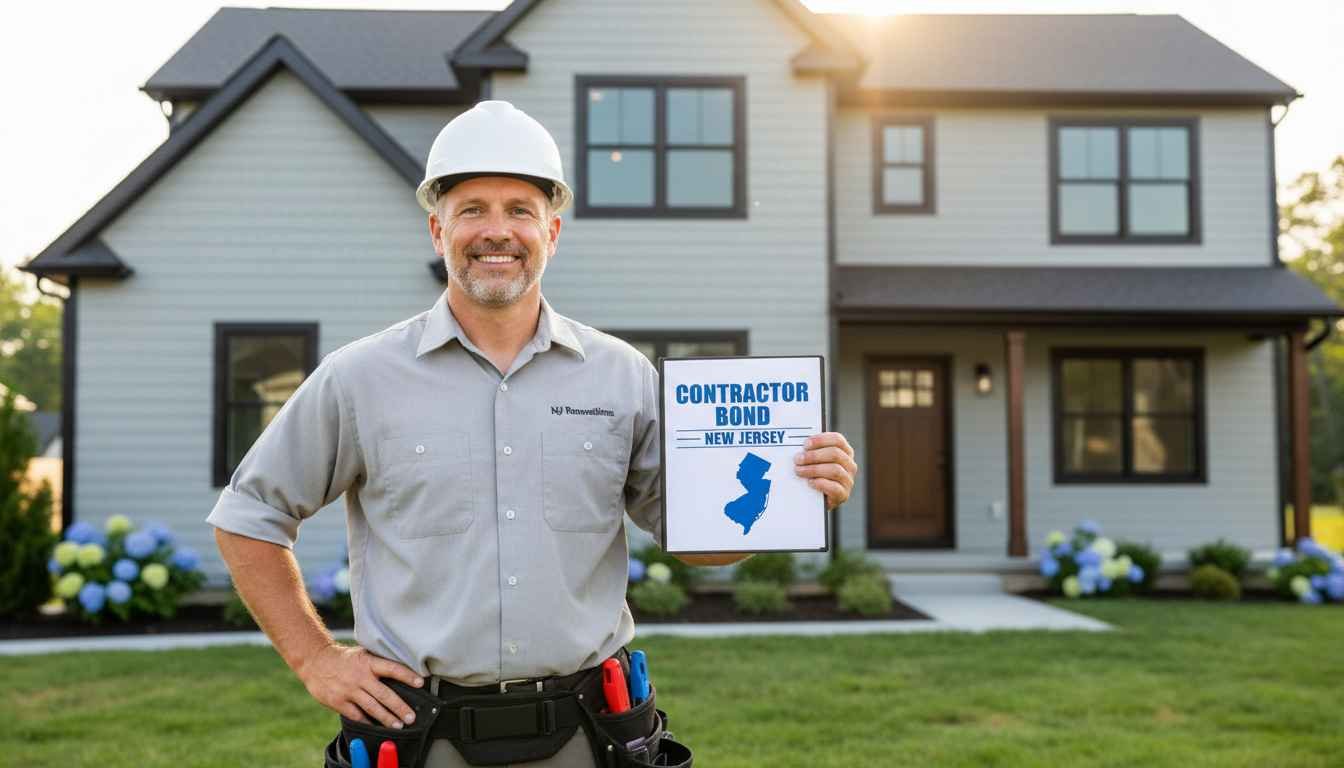
Here’s a little secret: many homeowners think a contractor bond is just a bureaucratic hoop to jump through. Spoiler alert – it’s not. The truth? A New Jersey home improvement contractor bond is your safety net, a legal cushion that protects you from shoddy workmanship, unfinished projects, and worst-case scams. Think of it as insurance for your sanity, and yes, it’s as essential as your morning coffee when hiring someone to touch up your dream home.
So why the myth? Some believe contractors only need insurance, but bonds are different. Insurance covers the contractor’s mistakes; bonds cover yours. When a contractor fails to meet state regulations or breaches their contract, a bond ensures you can recoup losses. Don’t worry, I’ll break it down in a way that makes sense – and maybe even a little fun. By the way, for homeowners seeking solid guidance, Love & Renovations is packed with tips and step-by-step advice.
How a New Jersey Contractor Bond Actually Works
Think of a contractor bond as a promise in gold – or at least in legal terms. When a contractor purchases a bond, a surety company essentially guarantees that they’ll follow state rules and honor their contracts. If they don’t, the surety company steps in to make things right – or at least provide financial compensation.
Here’s the breakdown:
1. Contractor gets bonded through a surety company.
2. Homeowner hires the contractor.
3. Contractor fails to meet obligations.
4. Homeowner files a claim against the bond.
5. Surety investigates and pays if the claim is valid.
Simple enough, right? It’s like having a referee for your renovation, only this referee writes checks.
ROI Calculator for Contractor Bonds
Now, you’re probably thinking: “Amanda, bonds sound expensive. How do I know it’s worth it?” That’s where our ROI Calculator comes in. Let’s do the math without making your head spin.
Imagine hiring a contractor for a $50,000 kitchen remodel. Without a bond, you risk losing the full $50,000 if the contractor disappears or fails to deliver. A typical New Jersey contractor bond for this project might cost $500–$1,000. Do the math: $1,000 to protect $50,000? That’s a return on investment of 49x. Not bad for a safety net that lets you sleep at night.
Factors That Affect Your Bond Cost
Bond prices vary based on several key factors:
– Contractor’s credit score: Better credit, lower rates.
– Project size: Bigger projects usually require higher bond amounts.
– Experience: Proven contractors pay less because they’re low-risk.
– Type of bond: License bonds, performance bonds, or payment bonds all have slightly different rates.
Product Comparison: Bond Options in New Jersey
| Feature | License Bond (Product A) | Performance Bond (Product B) |
|---|---|---|
| Purpose | Ensures contractor meets NJ state licensing laws | Guarantees completion of a specific project |
| Cost | Typically $100–$500/year | 1–3% of total project cost |
| Claim Coverage | State regulatory violations | Project delays, incomplete work, or damages |
| Best For | Contractors starting out or maintaining license | Homeowners with larger, high-value renovations |
Methodology Behind Evaluating Bonds
How do we know which bonds are worth your money? It’s not guesswork. We analyzed the New Jersey construction market, reviewed state regulations, consulted surety providers, and compared average claim payouts. Our evaluation method focused on three pillars: risk mitigation, cost efficiency, and legal protection. Only bonds that passed this three-pronged test made it into our recommendations. That’s how you know it’s legit, not just another sales pitch.
Potential Drawbacks & Who Should Avoid This
Let’s keep it real – bonds aren’t a cure-all. Here’s where they might not be for you:
– Ultra-small projects: If you’re just painting a room, paying for a bond might be overkill.
– Top-rated, long-standing contractors: Some have impeccable track records; you might decide the bond cost is unnecessary.
– Cash-only deals: Avoid them. No bond will cover you if the contractor refuses to deal with legal channels.
Still, for any project that stretches beyond a weekend DIY, a bond is a solid investment. You’re not just paying for paperwork – you’re paying for peace of mind, financial protection, and accountability.
Steps to Secure a New Jersey Contractor Bond
1. Verify your contractor is licensed and eligible for bonding.
2. Choose the type of bond based on project scope (license vs performance).
3. Shop for a reputable surety company – don’t skimp.
4. Complete the application and provide any required financial info.
5. Pay the bond premium and obtain the official bond certificate.
6. Keep the bond document handy; it’s your legal lifeline.
Final Thoughts: Why a Bond Is Smarter Than You Think
Here’s the cheeky truth: skipping a contractor bond is like skydiving without checking your parachute. You *might* land safely, but why risk it? A New Jersey home improvement contractor bond is cheap relative to potential losses, protects your investment, and ensures the contractor plays by the rules. Whether it’s a small bathroom update or a full-scale remodel, having that bond is your ultimate power move.
Bottom line: If you care about your wallet, your home, and your sanity, a contractor bond isn’t optional – it’s essential.