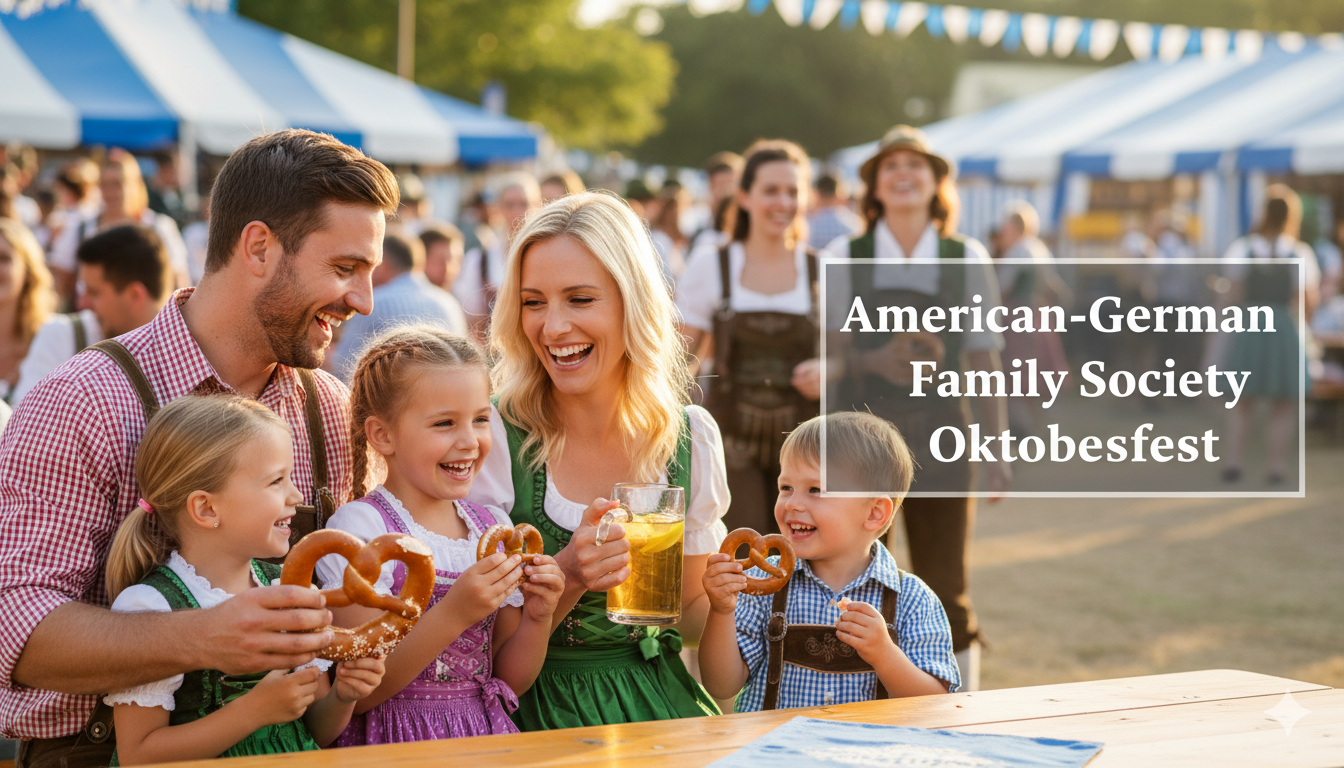
Quality over quantity is the foundation of every great festival, and Oktoberfest is no exception. The annual celebration of German heritage and culture has become a beloved tradition across the United States, with families of all backgrounds coming together to honor the spirit of Germany’s iconic festival. Yet, as with any tradition, misunderstandings and myths can cloud its true essence. Let’s explore some of the common myths surrounding Oktoberfest and separate them from the facts.
Myth 1: Oktoberfest Is Only About Drinking Beer
While it’s true that beer plays a significant role in Oktoberfest, it’s far more than just a drinking event. The festival originated as a royal wedding celebration in 1810 in Munich, Germany, and evolved into a celebration of Bavarian culture, featuring food, music, dancing, and cultural exhibitions. American German family societies, such as those in Paradise, CA, strive to uphold this multifaceted tradition, highlighting German arts, crafts, and family-friendly activities.
Myth 2: Everyone at Oktoberfest Is German
Another common misconception is that Oktoberfest is only for people of German descent. In reality, the event is enjoyed by all, regardless of background. It’s a celebration of inclusivity, where American German families often share their heritage with the wider community. In fact, many people who aren’t German by ancestry eagerly embrace the festival as a way to experience and appreciate German culture.
Myth 3: Oktoberfest Has No Connection to Family Life
While some might associate Oktoberfest with raucous partying, the festival’s true spirit is about family bonding and community. Traditional Oktoberfest celebrations feature events for children, like carnival games, face painting, and even dances that bring families together. German-American societies ensure the festival remains an accessible, enjoyable experience for attendees of all ages.
Myth 4: Oktoberfest Is Always in October
Although the name suggests it, Oktoberfest often begins in late September and can run into early October, especially in the U.S. The timing of the festival is designed to coincide with the harvest season and ideal weather, making it a more enjoyable experience. American German societies across the country often schedule their celebrations to coincide with the cooler months, offering a cozy atmosphere for all attendees.
Step-by-Step Flowchart: Oktoberfest Celebration
- Start with family-friendly games and activities
- Enjoy traditional German foods like bratwurst and pretzels
- Experience Bavarian music and folk dances
- Join in the beer-tasting (responsibly) and toast with family
- Wrap up the day with cultural exhibitions and games for kids
Who Should Avoid This? Potential Drawbacks
While Oktoberfest can be a wonderful celebration for families, it’s not for everyone. Individuals who are sensitive to loud environments or large crowds may find some festivities overwhelming. Additionally, those who have dietary restrictions should be aware that traditional German foods are often heavy in meats, cheeses, and gluten. As always, moderation is key when enjoying beer and other alcoholic beverages during the festival.