Smart home technology has moved beyond simple voice-controlled lights and connected speakers. Today, homes can use connected devices to automate lighting, manage indoor temperatures, improve security, clean floors, and coordinate everyday routines with less manual effort.
The biggest change is not necessarily the individual gadget. It is the way different devices can work together. Standards such as Matter are making it easier for compatible products from different manufacturers to communicate across smart home platforms, while newer systems are adding more automation and AI-driven features.
Here are five smart home innovations that are having a meaningful impact on how people use and manage their homes.
1. Smarter Thermostats and Climate Controls
Smart thermostats are among the most practical connected-home upgrades because they combine comfort with automated temperature management.
Instead of manually adjusting a thermostat throughout the day, a smart system can use schedules, sensors, remote controls, and other information to help manage heating and cooling. Some newer systems can also respond to factors such as whether people are home or whether a room is being used.
The benefit is not simply convenience. Better control can help households avoid heating or cooling an empty home and make temperature management more consistent.
Why smart climate control matters
- Temperature settings can be adjusted remotely.
- Schedules can reduce unnecessary heating or cooling.
- Room sensors can provide more localized information.
- Compatible systems can become part of wider home automations.
For homeowners considering a smart thermostat, compatibility with the existing HVAC system should come before buying based on features alone.
2. Connected Lighting That Adapts to Your Routine
Smart lighting has evolved from basic app-controlled bulbs into systems capable of responding to schedules, sensors, scenes, and other connected devices.
A smart lighting setup can automatically turn lights on at a particular time, switch them off when nobody is detected, or create different lighting scenes for working, relaxing, watching television, or preparing for bed.
Lighting can also become part of a larger automation. For example, a motion sensor could trigger hallway lighting at night without requiring someone to reach for a switch.
What makes modern smart lighting different?
The important development is the connection between lighting and the rest of the home. Rather than treating every bulb as a separate gadget, compatible devices can participate in a wider automation system.
Connectivity standards such as Matter are also designed to improve interoperability between compatible devices and smart home ecosystems. That can make it easier to build a system without committing every device to a single manufacturer’s platform.
3. Smarter Home Security and Door Access
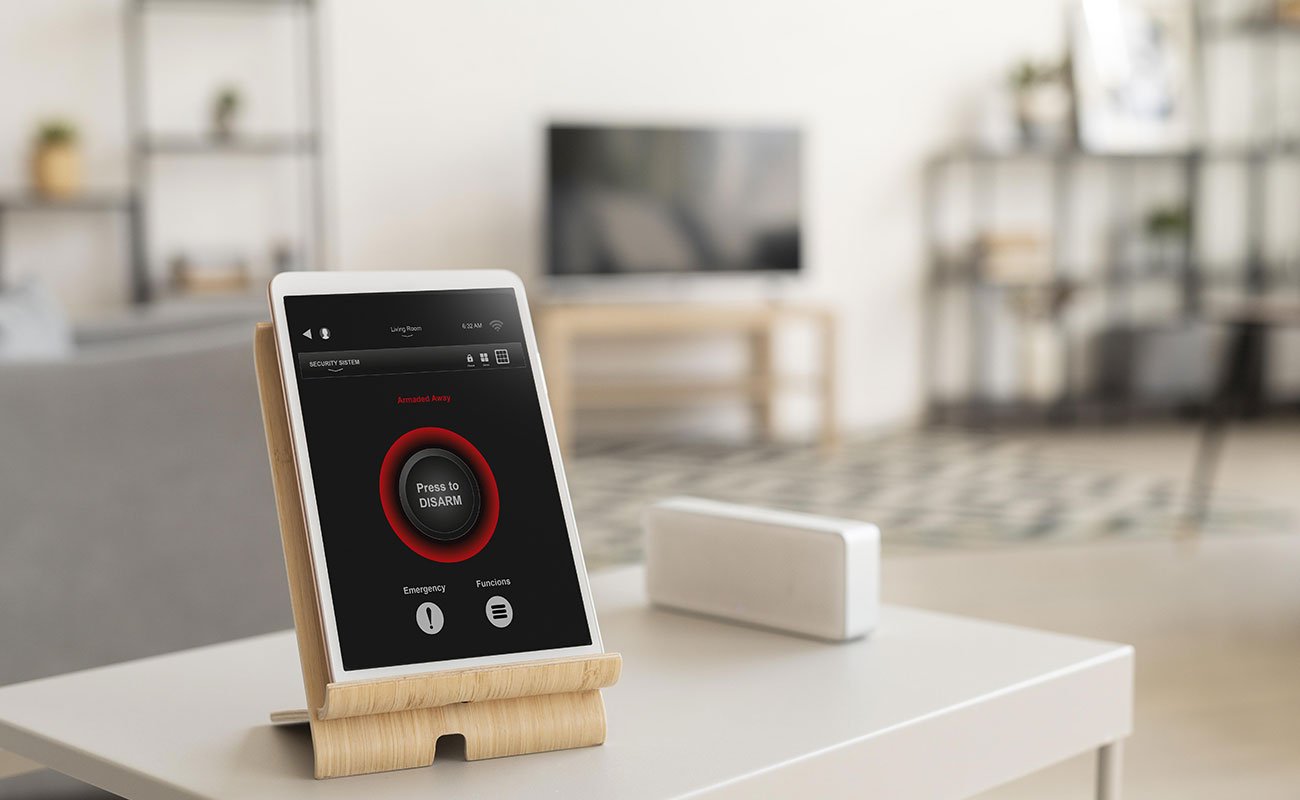
Connected cameras, video doorbells, smart locks, motion sensors, and other security devices are changing how homeowners monitor their properties.
A smart security system can provide remote visibility and notifications when activity is detected. Depending on the devices and platform being used, homeowners may also be able to control locks, review camera feeds, or create automations from a phone or home hub.
The latest generation of smart home systems is also moving toward more contextual notifications. Instead of simply reporting that motion was detected, newer AI-powered systems can attempt to interpret what a camera or sensor is seeing and provide more useful information.
Convenience versus privacy
Smart security devices can be useful, but they also deserve more careful consideration than ordinary connected gadgets. Cameras and microphones can collect sensitive information about what happens inside or around a home.
Before installing connected security equipment, check how recordings are stored, which accounts can access them, whether two-factor authentication is available, and whether the device offers local processing or storage where appropriate.
A smart security system should make a home easier to monitor without creating unnecessary privacy risks.
4. Robot Vacuums and Automated Cleaning
Robot vacuums are another example of smart home technology moving from novelty to practical automation.
Modern robot cleaners can navigate rooms, map areas of a home, schedule cleaning sessions, and return to charging stations automatically. Some models combine vacuuming with mopping, while newer connected ecosystems allow cleaning devices to become part of broader household routines.
The biggest advantage is straightforward: routine floor cleaning can happen with less direct involvement from the homeowner.
Where automated cleaning works best
Robot cleaners are particularly useful when the floor layout is relatively predictable and the device can move without frequent obstacles. However, they are not a complete replacement for conventional cleaning.
Stairs, clutter, delicate surfaces, tight spaces, and unusual floor layouts can still require manual attention. The value of a robot cleaner is therefore best measured by how much routine work it can remove from a household’s schedule rather than by whether it can perform every cleaning task.
5. AI-Powered Home Hubs and Smarter Automation
The most significant shift in smart homes may be the move from individual connected devices toward systems that understand context and coordinate multiple devices.
Traditional smart home commands often required users to tell a device exactly what to do. Newer platforms are increasingly focused on natural-language interaction, more advanced automations, and AI-assisted interpretation of activity around the home.
For example, a modern home platform may be able to combine information from cameras, sensors, lights, thermostats, and other devices to provide a more useful picture of what is happening. Google’s 2026 smart home developments demonstrate this direction, with features designed to interpret camera activity, answer household-specific questions, and summarize activity across connected home devices.
Why AI could change smart homes
AI can potentially reduce the number of individual commands homeowners need to make. Instead of controlling every device separately, people can increasingly interact with the home at a higher level.
That could mean asking a home assistant about recent activity, creating more complex routines, or allowing compatible devices to respond to changing circumstances.
However, AI-powered automation should still be treated as an assistant rather than an infallible decision-maker. Users should understand which devices are connected, what information is being processed, and what actions the system is permitted to take.
How Matter Is Making Smart Homes Easier to Build
One of the biggest challenges in smart home technology has historically been compatibility. A device from one manufacturer might work well with one ecosystem but offer limited functionality elsewhere.
Matter was designed to address part of that problem by providing an industry standard for compatible smart home devices. It can allow supported products to work across multiple certified ecosystems instead of being locked into a single platform.
For consumers, that means compatibility should become a more important consideration when buying new smart home products. Look for Matter support where it makes sense, and check whether the device also requires a compatible hub or Thread Border Router.
Explore more gadget and connected-home technology on PostVibeLab for related technology topics.
What to Consider Before Building a Smart Home
Buying individual smart gadgets is easy. Building a useful smart home requires a little more planning.
Start with a specific problem
Rather than buying devices simply because they are connected, identify what you want to improve. That might be energy management, home security, lighting, cleaning, or convenience.
Check compatibility first
Look at the platform, connectivity standard, hub requirements, and device compatibility before making a purchase. Matter can improve interoperability, but not every feature is necessarily available across every platform.
Think about privacy
Devices with cameras, microphones, location information, or detailed household sensors deserve additional scrutiny. Review privacy controls and understand where data is stored and processed.
Keep the system manageable
A home filled with dozens of disconnected devices can become more complicated rather than more convenient. A smaller collection of compatible products that work together can provide a better experience than a large collection of isolated gadgets.
Are Smart Homes Really Worth It?
For many homeowners, the answer depends on which problems the technology solves.
A smart thermostat can make climate control easier. Automated lighting can reduce repetitive tasks. Connected security equipment can improve remote awareness. Robot cleaners can handle routine floor cleaning. AI-powered home platforms can eventually bring these separate functions together.
The most useful smart home is therefore not necessarily the one with the most devices. It is the one where the technology quietly handles repetitive tasks without creating unnecessary complexity.
Frequently Asked Questions
What are the most useful smart home devices?
Useful devices vary by household, but smart thermostats, lighting, security equipment, robot vacuums, and connected home hubs are among the most practical categories because they can automate recurring tasks.
What is Matter in smart home technology?
Matter is an industry smart home standard designed to improve compatibility between supported devices and different smart home ecosystems.
Do all smart home devices work together?
No. Compatibility still depends on the device, platform, connectivity method, and supported features. Matter can improve interoperability for certified products, but buyers should still check compatibility before purchasing.
Are smart home devices secure?
Security depends on the device, manufacturer, software, account protection, network configuration, and how the product handles data. Use strong account security, keep devices updated, and review privacy settings.
Can AI replace a traditional smart home hub?
AI can make a home platform more capable, but it does not eliminate the need for compatible hardware, connectivity, sensors, and device controls. AI is increasingly becoming a layer that helps users interact with and automate those systems.
The Future of the Smart Home
Smart home innovation is moving away from isolated gadgets and toward connected systems that can understand routines, coordinate devices, and respond to context.
The combination of interoperable standards such as Matter, low-power connectivity such as Thread, automation, sensors, and AI could make connected homes considerably easier to manage.
The biggest improvement may ultimately be invisible. Instead of constantly asking which app controls which device, homeowners may simply expect their lights, climate systems, security equipment, and appliances to work together when needed.
That is the real promise of smart home innovation: not more technology for its own sake, but technology that removes small, repetitive tasks from everyday life.